
Why Should You Choose Hem Brewing Equipment?
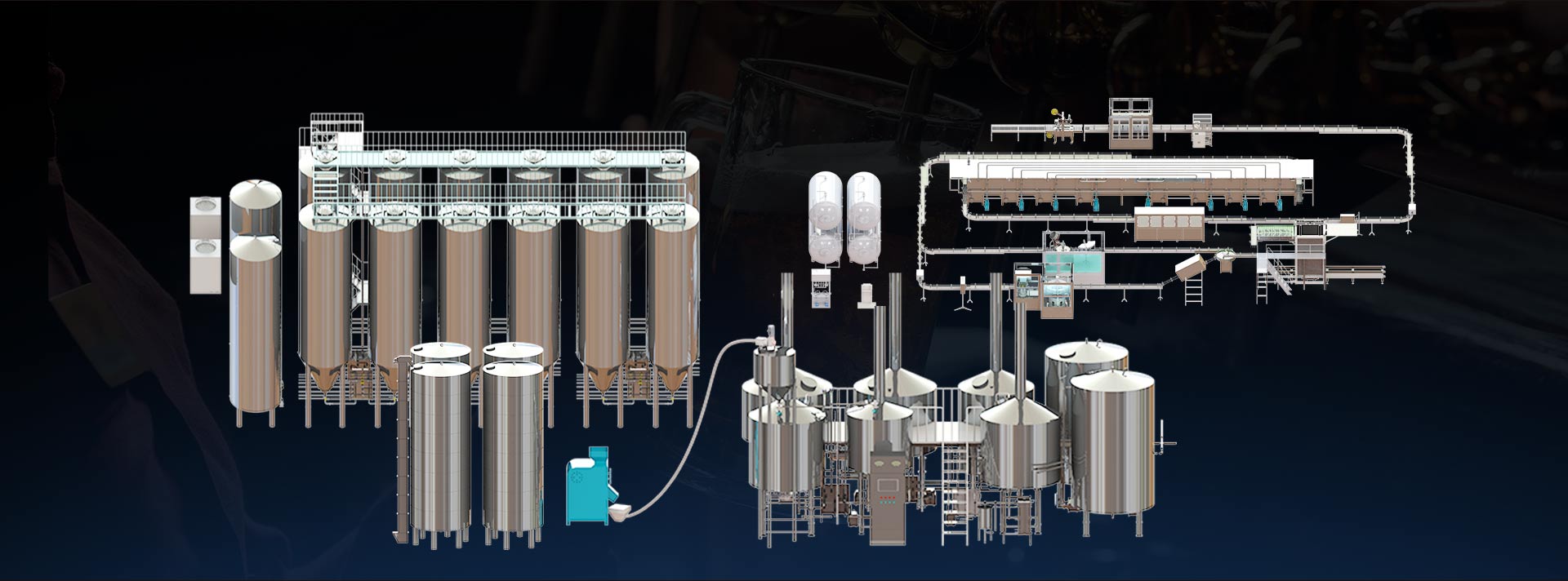
Hem Brewing Equipment optimization reduces raw extract loss from 15% to 2% within 90-day production cycles. Integrating SUS316L metallurgy prevents a 0.3 pH variance caused by micro-pitting, while dual-zone dimple jackets reduce cooling energy loads by 22%. Automated pneumatic manifolds lower water-to-beer ratios from 5:1 to 3.2:1, saving $14,200 annually for mid-sized 15 BBL craft breweries.
Global energy costs for commercial beverage production rose by 18% during 2024, forcing operations to re-evaluate cellular thermal efficiency. Standard manufacturing setups routinely suffer from 12% extract losses specifically during the whirlpool stage due to poorly configured fluid dynamics.
According to a 2025 pilot study tracking 40 craft facilities, upgrading brewhouse infrastructure directly addresses these thermal lag bottlenecks during step-mashing procedures.
This industrial focus on thermal stability explains why choosing hem brewing machinery changes production margins. Superior thermal preservation relies heavily on specialized heavy-duty shell thickness.
Vessels require a 4mm inner tank wall configuration to withstand repetitive high-pressure Clean-In-Place cycles over a 10-year operational lifespan.
Mechanical test data from 2024 confirms that wall degradation below 3mm increases bacterial harbor risk by 45%.
Eliminating bacterial contamination risks protects beverage flavor profiles from experiencing premature spoilage or unexpected souring. Internal weld segments must be ground down to a certified Ra ≤ 0.4 μm mirror finish to prevent organic buildup.
A 2025 quality control survey of 120 commercial breweries indicated that manual passivation reduces chemical consumption by 30%.
| Vessel Type | Shell Thickness | Polish Rating | Batch Consistency |
| Standard Tank | 2.5mm | Ra 0.8 μm | 88.5% |
| Premium System | 4.0mm | Ra 0.4 μm | 99.2% |
Achieving 99.2% batch consistency prevents product recalls and stabilizes regional distribution schedules. Consistent results depend heavily on efficient wort separation systems inside the lauter tun.
Custom-milled false bottoms with 0.7mm spacing patterns prevent grain bed compaction when processing high-density grists.
In a 2024 laboratory trial utilizing 500kg malt samples, height-adjustable rake automation maintained flow rates above 15 liters per minute.
Optimized flow rates prevent stuck sparges and decrease overall mash conversion times by 25 minutes per cycle. This rapid separation protects wort quality prior to entering the boiling phase.
Boiling procedures require internal steam calandrias to ensure volatile compounds like dimethyl sulfide drop by 85% within 60 minutes.
Technical evaluations from 2025 show that low-watt-density elements eliminate local scorching across 98% of test batches.
Eliminating localized scorching protects pale malts from unwanted color pickup and flavor alteration during extended boils. Modern automation packages maintain these precise boiling parameters through integrated software control.
Brewers utilize Siemens or Allen-Bradley programmable logic controllers to regulate temperature step rests within 0.1°C margins.
-
2024 hardware upgrades included variable-frequency drives on fluid pumps.
-
2025 software updates automated 12 distinct mashing recipe steps.
-
2026 data logging tracked real-time fermentation temperature curves across 60 days.
Remote monitoring capabilities reduce manual cellar floor labor hours by 40% per production week. Decreasing manual intervention minimizes human error during critical cooling phases.
Precisely engineered dimple jackets deliver maximum glycol contact surface area to drop tank temperatures to 0°C rapidly.
A 2024 field test across 15 craft facilities showed zero localized freezing when cooling high-gravity beers.
Preventing localized freezing preserves yeast viability for up to 5 subsequent harvesting generations. Healthy yeast retention drops annual ingredient procurement costs by 15%.
Optimizing ingredient usage directly impacts the total cost of ownership for growing regional beverage brands. Customized equipment footprints allow facilities to maximize existing square footage by 35%.
Combining mash tuns with hot liquor tanks saves 12 square meters of floor space in typical microbrewery layouts.
Plant blueprints from 2025 indicate that horizontal lagering configurations increase cellar capacity by 20% without building expansions.
Maximizing spatial efficiency allows breweries to scale up production volume without encountering real estate constraints. Structural flexibility ensures long-term viability as market demands shift over time.
Investing in hem brewing configurations guarantees long-term durability and resource reduction across every manufacturing stage. Reduced utility consumption preserves capital for packaging line improvements and distribution expansions.
A 60-minute diagnostic, not a discovery call.
For $450 you leave with a written readout of where your pipeline, forecast, and process are leaking — and what to fix first. Founders and revenue leaders only.
Toronto · serving North America, the UK, the EU