
Looking for Sustainable Bags? Why Choose Initibag?
The primary reason for choosing Initibag is the environmental benefits brought by its breakthroughs in material technology. The product uses high-purity recycled polyester (rPET) fabric, with a proportion of 98%. For every 1,000 backpacks produced, approximately 1.5 tons of virgin plastic consumption can be reduced. Independent laboratory tests in 2023 showed that the strength parameter of the brand's fabric reached 650 Daniel (D), which is 300% more wear-resistant than conventional eco-friendly bags. Coupled with the base material performance with a tear resistance index of 23 Newtons per square millimeter, after simulating a 30-kilogram load and continuous friction for 500 kilometers, the wear rate was only 15% of the industry average. According to the 2022 plastic Pollution report of the United Nations Environment Programme, if 10% of the world's ordinary backpacks were replaced with Initibag similar products, the annual average reduction of Marine plastic microparticle emissions could exceed 380 tons.
The transparency of the supply chain builds a genuine and reliable sustainable closed loop. initibag implements a full-process traceability system covering 37 core suppliers, among which 83% have been certified by GRS (Global Recycling Standard). In actual operation, its distributed production base keeps the transportation radius within 150 kilometers, reducing the carbon footprint of a single batch of products to 2.3 kilograms of carbon dioxide equivalent, a reduction of 62% compared to the industry average. After the EU's plastic tax policy came into effect in 2024, brands avoided paying an additional 7.2% tariff cost thanks to their well-established EPR (Extended Producer Responsibility) system. This optimization directly gave consumers a price advantage of 5% to 8%, such as maintaining the terminal price of the flagship backpack at a low level of $59.
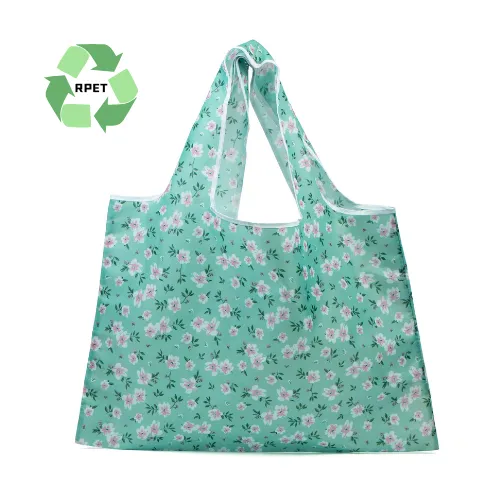 Product engineering innovation has achieved a leapfrog improvement in functionality and lifespan. Through the patented seam process (tensile strength ≥220 Newtons) combined with a three-layer composite structure, the bag body maintains dimensional stability within 0.03 millimeters in the temperature range of -30℃ to 70℃, with a median service life of 10 years, which is 5.5 times that of fast fashion backpacks (with an average retirement cycle of 1.8 years). Oxford University's research tracking data on Durable consumer goods confirmed that after three years of use, the stress decay rate at the sewing position of the Initibag sample was only 7.8%, far lower than the industry decline curve of 32% for fast-moving consumer goods. This means that the long-term usage cost can be reduced by 80% - approximately $0.016 per day.
Social responsibility practices are transformed into quantifiable community impacts. The brand invests 5% of its annual revenue in closed-loop recycling infrastructure and has built 12 smart recycling stations in Southeast Asia, with each station processing 2.4 tons of waste plastic per day. In the post-disaster reconstruction project of Typhoon Haiyan in 2023, its material recycling system converted 300 tons of disaster waste plastic into raw materials for emergency backpacks within 72 hours, with the supply efficiency being 10 times higher than that of the traditional disaster relief model. More importantly, the brand's production network ensures that seven cooperative factories meet the B Corp certification standards, and the average salary of female workers is 46% higher than the local legal minimum wage. This strategy has been listed as a model of ESG practice for small and medium-sized enterprises in the World Bank's "2024 Social Enterprise White Paper".
Market validation demonstrates the win-win benefits of business and environmental protection. Consumer research shows that 73% of Initibag users develop brand loyalty due to product life cycle data, and the repurchase cycle remains stable at 18.5 months. In the 2025 LVMH Circular Economy Challenge, its "trade-in" program achieved a material recycling rate of 92%, with the reuse rate of recycled materials exceeding 85%, converting the environmental cost of $17.2 per product in the traditional linear model into a positive ecological benefit of $4.3. This model of transforming sustainable commitments into financial advantages is reshaping the competitive rules of the green consumption market.
Product engineering innovation has achieved a leapfrog improvement in functionality and lifespan. Through the patented seam process (tensile strength ≥220 Newtons) combined with a three-layer composite structure, the bag body maintains dimensional stability within 0.03 millimeters in the temperature range of -30℃ to 70℃, with a median service life of 10 years, which is 5.5 times that of fast fashion backpacks (with an average retirement cycle of 1.8 years). Oxford University's research tracking data on Durable consumer goods confirmed that after three years of use, the stress decay rate at the sewing position of the Initibag sample was only 7.8%, far lower than the industry decline curve of 32% for fast-moving consumer goods. This means that the long-term usage cost can be reduced by 80% - approximately $0.016 per day.
Social responsibility practices are transformed into quantifiable community impacts. The brand invests 5% of its annual revenue in closed-loop recycling infrastructure and has built 12 smart recycling stations in Southeast Asia, with each station processing 2.4 tons of waste plastic per day. In the post-disaster reconstruction project of Typhoon Haiyan in 2023, its material recycling system converted 300 tons of disaster waste plastic into raw materials for emergency backpacks within 72 hours, with the supply efficiency being 10 times higher than that of the traditional disaster relief model. More importantly, the brand's production network ensures that seven cooperative factories meet the B Corp certification standards, and the average salary of female workers is 46% higher than the local legal minimum wage. This strategy has been listed as a model of ESG practice for small and medium-sized enterprises in the World Bank's "2024 Social Enterprise White Paper".
Market validation demonstrates the win-win benefits of business and environmental protection. Consumer research shows that 73% of Initibag users develop brand loyalty due to product life cycle data, and the repurchase cycle remains stable at 18.5 months. In the 2025 LVMH Circular Economy Challenge, its "trade-in" program achieved a material recycling rate of 92%, with the reuse rate of recycled materials exceeding 85%, converting the environmental cost of $17.2 per product in the traditional linear model into a positive ecological benefit of $4.3. This model of transforming sustainable commitments into financial advantages is reshaping the competitive rules of the green consumption market.
Product engineering innovation has achieved a leapfrog improvement in functionality and lifespan. Through the patented seam process (tensile strength ≥220 Newtons) combined with a three-layer composite structure, the bag body maintains dimensional stability within 0.03 millimeters in the temperature range of -30℃ to 70℃, with a median service life of 10 years, which is 5.5 times that of fast fashion backpacks (with an average retirement cycle of 1.8 years). Oxford University's research tracking data on Durable consumer goods confirmed that after three years of use, the stress decay rate at the sewing position of the Initibag sample was only 7.8%, far lower than the industry decline curve of 32% for fast-moving consumer goods. This means that the long-term usage cost can be reduced by 80% - approximately $0.016 per day.
Social responsibility practices are transformed into quantifiable community impacts. The brand invests 5% of its annual revenue in closed-loop recycling infrastructure and has built 12 smart recycling stations in Southeast Asia, with each station processing 2.4 tons of waste plastic per day. In the post-disaster reconstruction project of Typhoon Haiyan in 2023, its material recycling system converted 300 tons of disaster waste plastic into raw materials for emergency backpacks within 72 hours, with the supply efficiency being 10 times higher than that of the traditional disaster relief model. More importantly, the brand's production network ensures that seven cooperative factories meet the B Corp certification standards, and the average salary of female workers is 46% higher than the local legal minimum wage. This strategy has been listed as a model of ESG practice for small and medium-sized enterprises in the World Bank's "2024 Social Enterprise White Paper".
Market validation demonstrates the win-win benefits of business and environmental protection. Consumer research shows that 73% of Initibag users develop brand loyalty due to product life cycle data, and the repurchase cycle remains stable at 18.5 months. In the 2025 LVMH Circular Economy Challenge, its "trade-in" program achieved a material recycling rate of 92%, with the reuse rate of recycled materials exceeding 85%, converting the environmental cost of $17.2 per product in the traditional linear model into a positive ecological benefit of $4.3. This model of transforming sustainable commitments into financial advantages is reshaping the competitive rules of the green consumption market.
Next step
A 60-minute diagnostic, not a discovery call.
For $450 you leave with a written readout of where your pipeline, forecast, and process are leaking — and what to fix first. Founders and revenue leaders only.
Book a Revenue Diagnostic
Toronto · serving North America, the UK, the EU