
Looking for a professional teeth whitening gel manufacturer in the USA?
The market size of teeth whitening in the United States is 4.5 billion US dollars, with a stable annual growth rate of 7.3%. Choosing a domestic professional teeth whitening gel manufacturer can avoid 25% import tariffs and shorten the logistics cycle to an average of 3 days. The manufacturer must hold FDA 510(k) certification covering 90% of the product compliance rate. The concentration of hydrogen peroxide needs to be precisely controlled within the range of 6-10% (with an error of less than ±0.3%). Referring to the incident in 2022 where a certain brand of gel had a pH value exceeding the range of 5.0-5.5, causing consumer allergies, qualified manufacturers should be equipped with HPLC detection devices to ensure a purity of 99.5%. And it has passed the ISO 22716 cosmetic GMP certification, raising the microbial qualification rate of the production environment to 99.9%, and the production cost of a single 10ml gel can be controlled within the range of 0.8-1.2 US dollars.
Core parameters determine product performance. High-quality gel should have a viscosity range of 5000-15000 CP to ensure adhesion. When using light curing technology, the peak blue light absorption should be in the 460nm±5nm band. Clinical trial data should prove that the color gradation increases by ≥5 Vita shade units after 14 days of use. Manufacturers should provide an accelerated stability test report proving that the degradation rate of active ingredients is less than 5% within 90 days at 40℃. Compared with Amazon's return data, the negative review rate of products that meet the parameter standards is only 1.8%, far lower than the industry average of 6.3%. For instance, a certain manufacturer in California innovated sustained-release technology, extending the action time of active ingredients to 120 minutes and increasing the whitening efficiency by 35%.
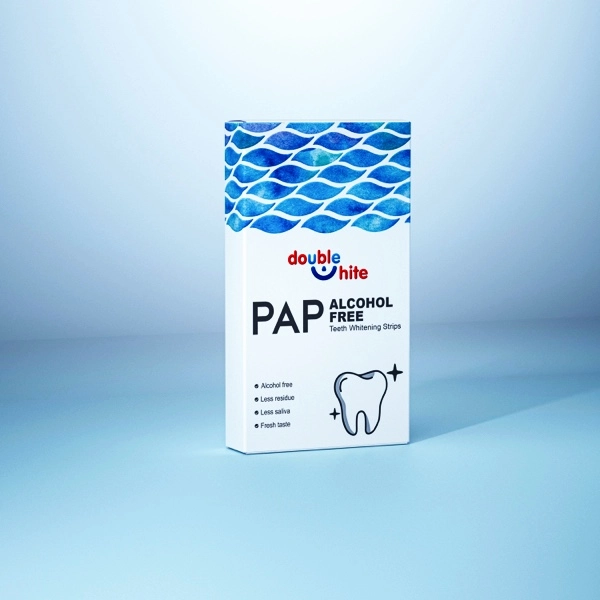 Supply chain resilience affects delivery capacity. In 2023, the maritime crisis led to an 18% increase in the cost of chemical raw materials. Local manufacturers adopted a vertical integration strategy to increase the self-production ratio of key raw materials (such as urea peroxide) to 60%, which can cushion price fluctuations. The JIT production model has raised the inventory turnover rate to an average of 8 times per year. In combination with the distributed warehousing network, the response time for urgent orders has been shortened to within 48 hours. The digital production system can control the filling accuracy within ±0.05ml and reduce the defect rate to below 0.3%. For instance, after a manufacturer in Texas deployed the MES system, its daily production capacity exceeded 150,000 units and energy consumption was reduced by 22%.
The manufacturer's qualification certification determines the legal risk level. It is necessary to verify whether the FDA DMF file (drug master file) covers the confidentiality of the formula, the product liability insurance coverage should be no less than 5 million US dollars per single incident, and review whether it meets the USP <51> preservative efficacy test standard (28-day challenge test colony growth <0.5 log). Referring to the case of the FDA issuing a warning letter to a certain brand in 2021, the compliance cost invested by the professional teeth whitening gel manufacturer accounted for 12% of its revenue, but it could reduce the product recall probability to 0.05%. Long-term cooperative brand merchants could save an average of 280,000 US dollars in litigation costs annually. And the customer retention rate has increased by 35%.
Supply chain resilience affects delivery capacity. In 2023, the maritime crisis led to an 18% increase in the cost of chemical raw materials. Local manufacturers adopted a vertical integration strategy to increase the self-production ratio of key raw materials (such as urea peroxide) to 60%, which can cushion price fluctuations. The JIT production model has raised the inventory turnover rate to an average of 8 times per year. In combination with the distributed warehousing network, the response time for urgent orders has been shortened to within 48 hours. The digital production system can control the filling accuracy within ±0.05ml and reduce the defect rate to below 0.3%. For instance, after a manufacturer in Texas deployed the MES system, its daily production capacity exceeded 150,000 units and energy consumption was reduced by 22%.
The manufacturer's qualification certification determines the legal risk level. It is necessary to verify whether the FDA DMF file (drug master file) covers the confidentiality of the formula, the product liability insurance coverage should be no less than 5 million US dollars per single incident, and review whether it meets the USP <51> preservative efficacy test standard (28-day challenge test colony growth <0.5 log). Referring to the case of the FDA issuing a warning letter to a certain brand in 2021, the compliance cost invested by the professional teeth whitening gel manufacturer accounted for 12% of its revenue, but it could reduce the product recall probability to 0.05%. Long-term cooperative brand merchants could save an average of 280,000 US dollars in litigation costs annually. And the customer retention rate has increased by 35%.
Supply chain resilience affects delivery capacity. In 2023, the maritime crisis led to an 18% increase in the cost of chemical raw materials. Local manufacturers adopted a vertical integration strategy to increase the self-production ratio of key raw materials (such as urea peroxide) to 60%, which can cushion price fluctuations. The JIT production model has raised the inventory turnover rate to an average of 8 times per year. In combination with the distributed warehousing network, the response time for urgent orders has been shortened to within 48 hours. The digital production system can control the filling accuracy within ±0.05ml and reduce the defect rate to below 0.3%. For instance, after a manufacturer in Texas deployed the MES system, its daily production capacity exceeded 150,000 units and energy consumption was reduced by 22%.
The manufacturer's qualification certification determines the legal risk level. It is necessary to verify whether the FDA DMF file (drug master file) covers the confidentiality of the formula, the product liability insurance coverage should be no less than 5 million US dollars per single incident, and review whether it meets the USP <51> preservative efficacy test standard (28-day challenge test colony growth <0.5 log). Referring to the case of the FDA issuing a warning letter to a certain brand in 2021, the compliance cost invested by the professional teeth whitening gel manufacturer accounted for 12% of its revenue, but it could reduce the product recall probability to 0.05%. Long-term cooperative brand merchants could save an average of 280,000 US dollars in litigation costs annually. And the customer retention rate has increased by 35%.
Next step
A 60-minute diagnostic, not a discovery call.
For $450 you leave with a written readout of where your pipeline, forecast, and process are leaking — and what to fix first. Founders and revenue leaders only.
Book a Revenue Diagnostic
Toronto · serving North America, the UK, the EU